
NEWS | BY KIVNON
7 things to keep in mind when considering automation
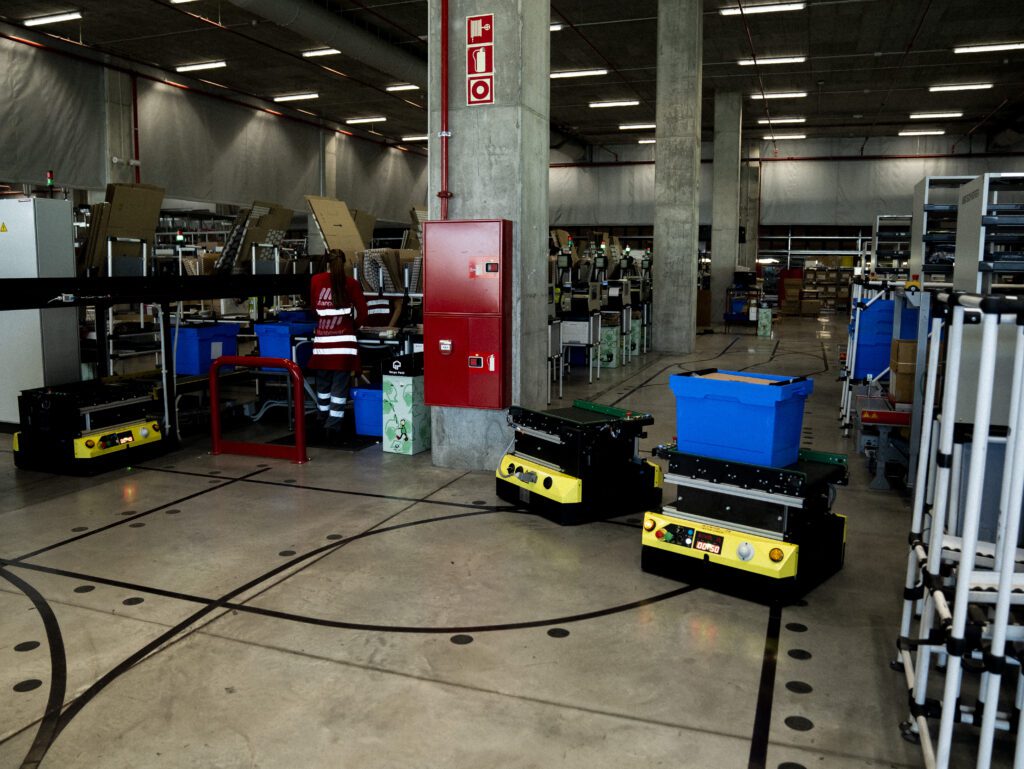
More and more manufacturers, research firms, and companies are turning to automation to cut costs and improve quality. Investing in new technology also helps them compete and secure new business opportunities across a wide range of industries.
However, investing in automation must make financial sense for your business, regardless of these trends.
Here are seven signs that it might be time for your company to automate.
1. Production costs
If your business consistently faces production challenges or your production methods can’t keep up with customer demand, finding the right automated system can lead to a more efficient workflow.
2. High labor costs
Some companies face safety issues, high absenteeism, and high turnover, which drive up labor costs due to the need for training and rehiring. Automation can improve worker safety while reducing labor costs.
3. The need to outshine your competitors
Automation can be a key selling point for offering a product or service at a lower cost and higher quality than a competitor, especially when considering the time and cost involved in shipping.
4. Assembly spaces are shrinking
In smaller spaces, there is a growing demand for automated systems equipped with advanced sensors, as the need for precision exceeds human capabilities. Mobile robots can perform tasks in smaller spaces while operating with greater precision.
5. Walk-around time is high
Pickers and packers can spend more than 70% of their time simply walking around racks and rooms while searching for items. If you want to save the time spent on mundane tasks that are tiring for workers and waste productive time, then a mobile robot might be the best option.
6. Employees need empowerment
Use automation so your employees can focus on more strategic work instead of the heavy lifting. Employees will be able to use robots more like assistants to perform the manual tasks they used to do. This means that production costs will be reduced, and employees won’t be laid off but reassigned to other roles. This empowers employees while boosting morale.
7. Continuous waste
Your business may be looking to reduce material waste, time, and effort as part of its pursuit of lean manufacturing goals, in which case automation can help achieve exactly that. Flexible automated systems can reduce both material waste and production time.
If you’re facing any of these issues, it may be time for your company to start automating. Once robotic solutions are fully implemented, your company will benefit from increased efficiency and productivity, ultimately boosting its bottom line and allowing it to reinvest in more sustainable business practices.
By adopting automated solutions, you can minimize the risk of physical injuries and assign employees to more productive tasks.