Standards and data regarding AGV safety are still evolving, but some AGV manufacturers are going above and beyond the minimum requirements to ensure accident-free operations.
In the United States, forklifts were responsible for 70 work-related deaths in 2021 and 7,290 nonfatal injuries requiring time off work in 2020.
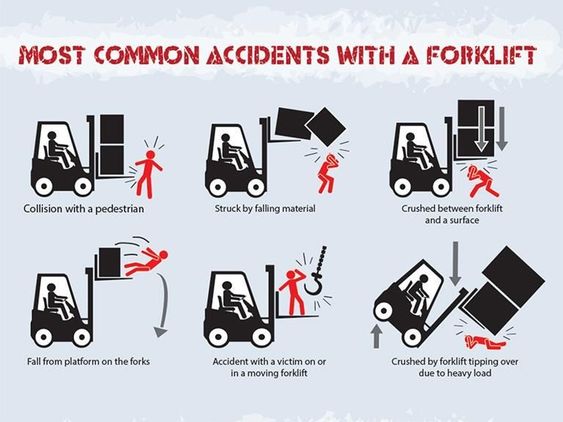
Most fatalities are caused by being crushed by a forklift, either as it falls—possibly due to an unstable load or driver error—or between the forklift and a hard surface or another forklift.
The number of forklift-related incidents is a concern for companies and comes with a significant financial cost and loss of productivity. Indeed, such incidents can result in damaged products, reduced employee productivity, fines, penalties, and higher insurance costs.
However, the use of automated guided vehicles (AGVs) in forklift applications is proving to be a much safer alternative, one that offers additional benefits beyond just improved safety.
As a relatively new addition to site operations, standards and data regarding AGV safety are still evolving, but some AGV manufacturers are going above and beyond the minimum requirements to help ensure accident-free operations.
Beyond the Safety of Mobile Robots
Before delving deeper into forklift AGV safety, let’s first consider the other benefits these machines offer in many industries, including warehousing, manufacturing, retail, and food and beverage applications.
The main reason most companies invest in AGVs is to boost productivity. AGVs can operate 24/7 and significantly improve the efficiency of a facility’s intralogistics.
They perform routine and tedious tasks, freeing up staff to focus on tasks that add more value to the business.
Ensuring the safety of AGVs
Regulations (and common sense) require that AGVs be equipped with safety sensors and devices to avoid and proactively prevent safety incidents. Safety sensors detect whether a person, another vehicle, or an obstacle is in the AGV’s path. For forklifts, however, safety measures should go much further.
- An improperly positioned load may fall, resulting in damaged goods, risks to personnel, and even the possibility of the vehicle tipping over. It therefore makes sense to install additional sensors around the forks and the lifting area.
- These can provide information on whether the load is positioned correctly and whether it is safe to proceed with the mission.
- In addition to providing alerts about any problems, data can also be collected and analyzed to understand any underlying issues with the lifting process and identify corrective actions that will improve operational safety
Make better use of data
Data from AGVs can provide deeper insights into operations. In addition to alerts and information about potential issues during an operation, collecting and analyzing data from the AGV will help identify where vehicles are slowing down or stopping more frequently, thereby reducing overall operational efficiency.
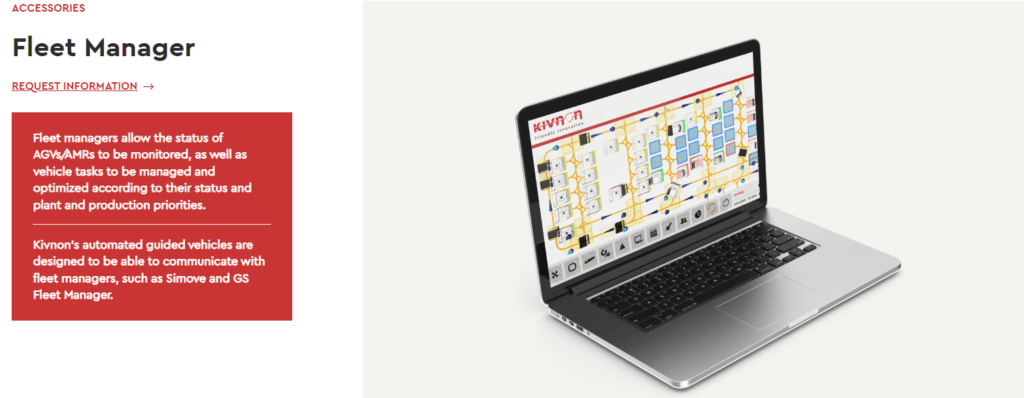
Managers can then determine why these issues are occurring and take steps to optimize the process.