Are you wondering which robotics trends will influence your business in the near future?

As society becomes increasingly digital, embracing technology and properly managing new processes is critical to nearly every business’s success. What can we anticipate from 2023, with workplace change visible across industries, whether through the adoption of new technologies? Here are some forecasts for the coming year.
1. Transition from Automation to Autonomy
Covid showed us how companies had to be encouraged to seek autonomous ways of working. They are embracing autonomous business models in order to manufacture items more quickly, cheaply, and on a larger scale. Automation was a key component in our journey to becoming an autonomous company.
2. Robots-as-a-Service (RaaS)
Manufacturing industries have traditionally used mobile robots to move parts around the plant or feed machinery. But nowadays you can even find AMR being implemented in many different public sectors. They may assist consumers with information, deliver room service orders at hotels, and even assist police officers on patrol across the city.

3. RPA and Artificial Intelligence
Robotic Processes Autonomous will be able to execute jobs that involve a degree of judgment thanks to Artificial Intelligence. This will enable it to automate more complicated jobs and procedures, increasing its value to enterprises.
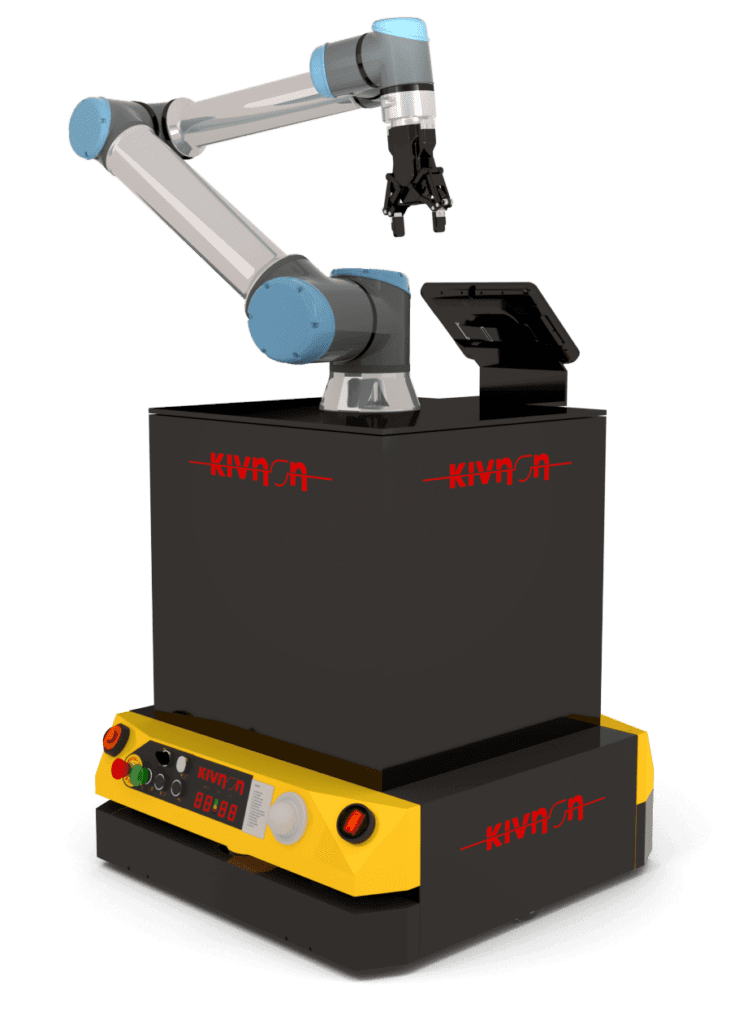
4. Cobots will continue to rise
Cobots can work safely alongside people and are easy to use. This makes them suitable for businesses with no prior experience with robots. Cobots will account for 30% of the entire robotics market by 2027.
5. Europe and the USA remain strong while Southeast Asia is improving
Europe will be the next Robotics Hub in the coming years. We will see many advancements in numerous sectors with it.
Asia continues to lead the robotics sector, with China, Japan, and Korea at the forefront. However, we can already see the potential of some nations, such as Singapore, Thailand, and Vietnam.
6. IoT + Autonomous Robotics
Robotics is concerned with manufacturing and autonomous behavior, whereas IoT is concerned with sensing, monitoring, and tracking. Edge computing systems, which enable feedback-driven by collecting and delivering data here, boost the performance of connected robotics. This enables robotic systems to utilize data that is virtually real time.