
In this context, mobile robots have become valuable tools, transforming the way critical tasks are performed and revolutionizing the manufacturing industry.
Automating Assembly
One of the most significant challenges in manufacturing is achieving efficient and precise component assembly. Robots have the ability to move away from traditional production methods. Mobile robots are revolutionizing the manufacturing industry by becoming an integral part of production lines and assembly processes.
It works seamlessly with other machines or systems, such as robotic cells, and actively participates in the various tasks that make up the production process, as mobile robots take on increasingly central roles in reshaping the factory floor.
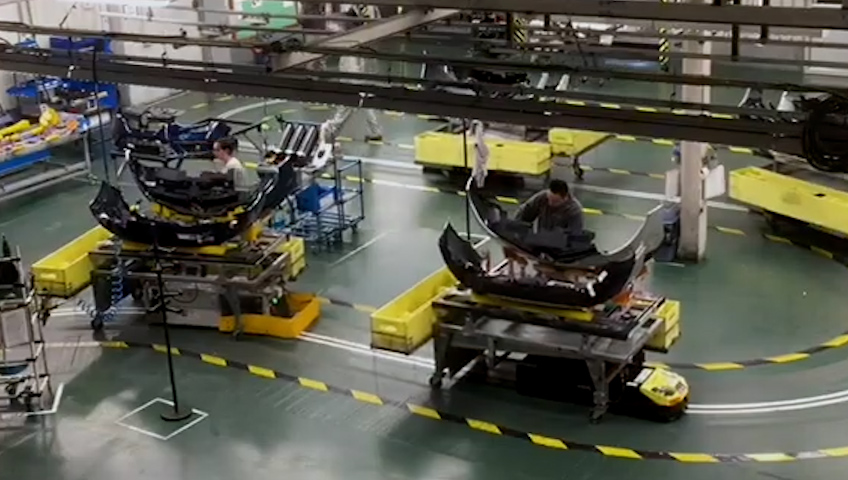
Versatility in processes
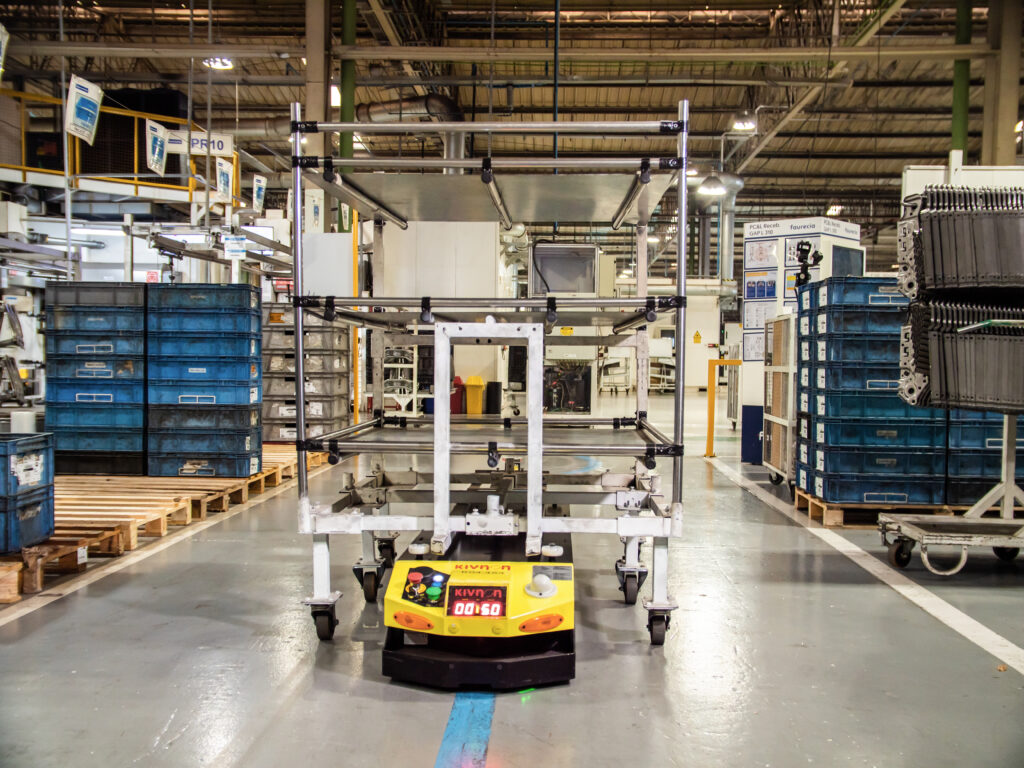
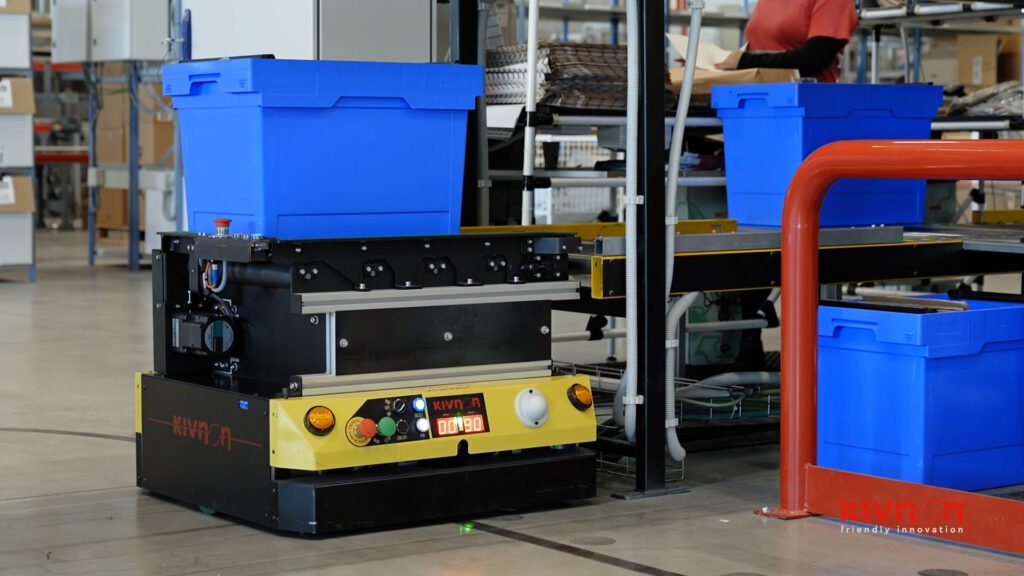
Our mobile robots are used for tasks ranging from material delivery and optimizing picking processes to automating material deliveries to the production line and delivering finished goods to the shipping and/or warehouse area.
This comprehensive approach not only speeds up the workflow but also reduces the risk of human error, ensuring the quality of all manufactured components.
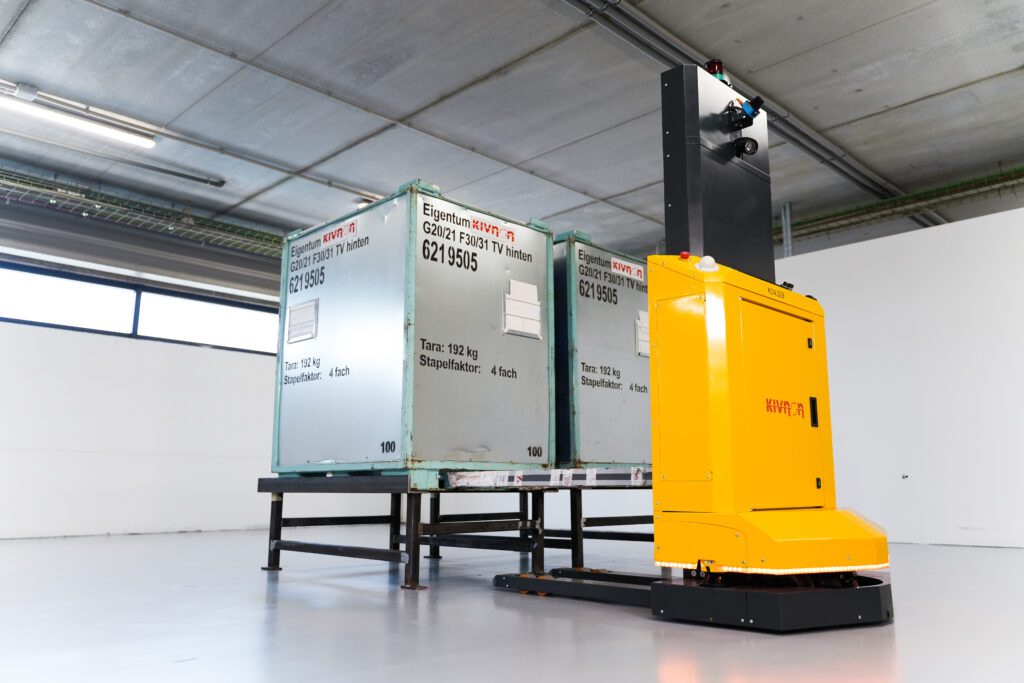
They skillfully transport heavy objects from one location to another efficiently and safely, eliminating the need for monotonous and hazardous manual labor.
Quality Assurance:
Product quality is of the utmost importance in the manufacturing industry.
Mobile robots are leading a revolution in quality control by performing operational tasks with greater speed and precision than traditional manual methods.
This, in effect, leads to a reduction in rework, scrap, and potential defects, resulting in significant cost savings throughout the manufacturing lifecycle.
The synergy of increased efficiency, accuracy, and cost savings highlights the transformative impact of mobile robots in reshaping the quality control landscape in manufacturing.
Flexibility and Adaptability:
The ability to adapt to the market, offering customers flexibility in response to their needs, is a key advantage. This is especially true given the transformative role of mobile robotics in manufacturing.
The inherent flexibility of mobile robots enables companies to quickly adapt their production processes to the dynamic shifts in market demand that are revolutionizing the manufacturing industry.
By seamlessly adapting their manufacturing capabilities, companies can remain agile and responsive, ensuring that their offerings align with their customers' changing preferences.
In conclusion, as technology continues to advance, it is exciting to imagine how mobile robots will continue to evolve and play a significant role in future designs.
The manufacturing industry is on the verge of a transformative era driven by mobile robotic automation, ensuring greater efficiency, quality, and adaptability.