
According to a study by the Occupational Safety and Health Administration (OSHA), forklift incidents in the U.S. result in 85 deaths and 34,900 serious injuries each year.
The reduction of human error, improved safety, and the reduced need for complex training or specialized skills required to operate these machines are all factors to consider when designing an AGV.
Mobile robots offer a simple way to improve both operational efficiency and safety in your manufacturing plant or warehouse. AGVs are freed up to perform other tasks where they add more value to the process, and the number of accidents caused by manual forklifts is reduced. AGVs often share workspaces with people, making safety a primary consideration in their design.

Most deaths are caused by:
- Entrapment. Either from objects falling on them—perhaps due to an unstable load or driver error—or from becoming trapped between the truck and a hard surface or another truck.
- Fatigue. This increases the likelihood of human error, and accidents resulting from improper or repetitive lifting are two additional safety concerns in manual work.
Mobile robot manufacturers must comply with minimum safety requirements, but are these sufficient? All Autonomous Guided Vehicles (AGVs) must be equipped with sensors and safety devices to proactively avoid and mitigate hazards. However, they do not address procedures for determining whether a load is stable or for identifying flaws in the operational process. If we examine their fundamental design, AGVs could very easily incorporate additional features to raise these minimum safety standards.
These vehicles have demonstrated that they can improve safety compared to human-driven vehicles. They also offer effective solutions for an ever-expanding range of applications. To ensure greater safety for workers, equipment, and cargo, it is essential to seek solutions that go beyond the bare minimum requirements while safety standards are being established.
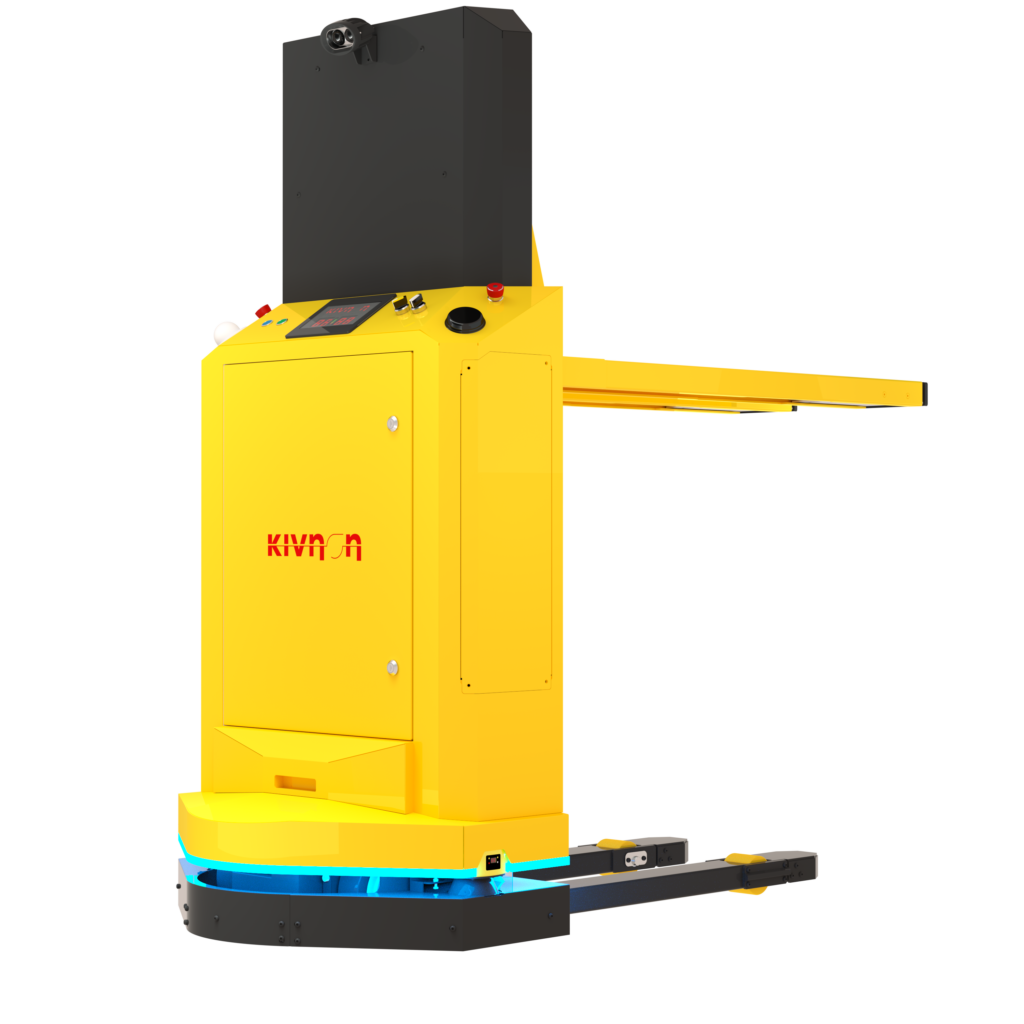
Source: AGVs Must Look Beyond Minimum Safety Requirements – Envasprés (envaspres.com)